
Finding Mount Olive Residents
No single official roster lists every household in Mount Olive. Begin with whatever key you already hold. It might be an exact address, a full name, or a year from the past. An address points toward the Morris County tax and GIS systems first. A deed party or a parcel history belongs in the County Clerk's instrument index instead. Older questions often land at the State Archives or on a library's directory reels. Each source answers a narrow question. Its label matters as much as the name it returns.
These record types carry different weight. A tax owner, a voter registration result, a court party, and a directory entry are not interchangeable. None alone proves who occupies a house today. Attach the source date, spelling, community label, and record type to every lookup. History adds another layer here. Mount Olive Township split from Roxbury in 1871. So Roxbury, Budd Lake, Flanders, Waterloo, Bartley, Drakestown, Smithtown, and Mount Olive Village all work as search terms in older records.
- Validate a known delivery address with USPS, then retain the postal label separately from the legal municipality.
- Use the Tax Board or GIS to obtain the tax year, district, block, lot, and owner-of-record fields.
- Search the Clerk’s index by party, parcel, book and page, or legal-description key to locate recorded instruments.
- Compare a dated directory, archive index, or court metadata only after a second identifier supports the match.
- Send a defined request to the custodian when the needed existing record is not online.
Mount Olive Records Custodians
Resident research in Mount Olive crosses several custodians. The Township Clerk handles municipal records and OPRA requests. Morris County holds the property, deed, GIS, and election layers. Restricted vital and voter systems stay with state agencies. None of these offices certifies a current household list; each simply describes its own records. Once a parcel is identified, the Mount Olive street directory route supports the street-by-street chain.
Morris County Clerk
10 Court Street
Morristown, NJ 07963
973-285-6120
Morris County Tax Board
County tax and parcel access
Mount Olive district records
GIS: 973-829-8120
Morris Board of Elections
10 Court Street, second floor
Morristown, NJ
973-285-6715
Mount Olive Parcel Clues
The county's current-property layer is powerful but easy to overread. Every Tax Board route is organized by tax year and district. Property Location demands a street and accepts an optional house number, while Owner, Block and Lot, and Prior Block and Lot run as separate paths. GIS takes a municipality, owner, street address, or parcel ID in quick search, then adds layers, map results, advanced search, and a buffer control.
The township's own parcel material makes the fine print concrete. One row lists the situs at 54 Stephens Park Road but an owner mailing address at 52 Stephens Park Road in Hackettstown 07840. Others show an UNKNOWN owner or an out-of-town mailing address. So an owner's mailing address never proves someone lives at the parcel. Keep the tax year and parcel fields attached to whatever result you pull.
| Tax or GIS field | Use | Limit |
|---|---|---|
| Tax year and district | Sets the property-search context | Not a universal, timeless parcel key |
| Street and house number | Finds a current property-location row | Street spelling controls the match |
| Owner | Provides an assessed-owner lead | May be an entity or off-site owner |
| Block, lot, and qual | Cross-checks tax, GIS, and deeds | Can change with subdivision or map revision |
| GIS buffer | Shows nearby mapped parcels | Dynamic data, not a legal survey |
Note: The GIS and tax display are research aids only, so preserve their date and never treat a map label as a legal description.
Mount Olive Tax Search Fields
Morris County's Tax Board search offers the structured property route. Its public screen also links to tax maps and GIS buffer lists. SR1A sales records and appeal records appear there too. A parcel result gains value in one way. Check the same block and lot in the deed index. Remember the limit. This is an ownership and assessment record, not a complete list of Mount Olive residents.
| Search route | Required fields | Available refinement |
|---|---|---|
| Property Location | Tax year, district, street | House number |
| Owner | Tax year, district, owner | Spelling variants |
| Block and Lot | Tax year, district, block, lot | Qual code |
| Prior Block and Lot | Tax year, district, prior block and lot | Qual code |
The Tax Board screen for Mount Olive property research displays the property-location, owner, block/lot, and prior-block/lot paths.
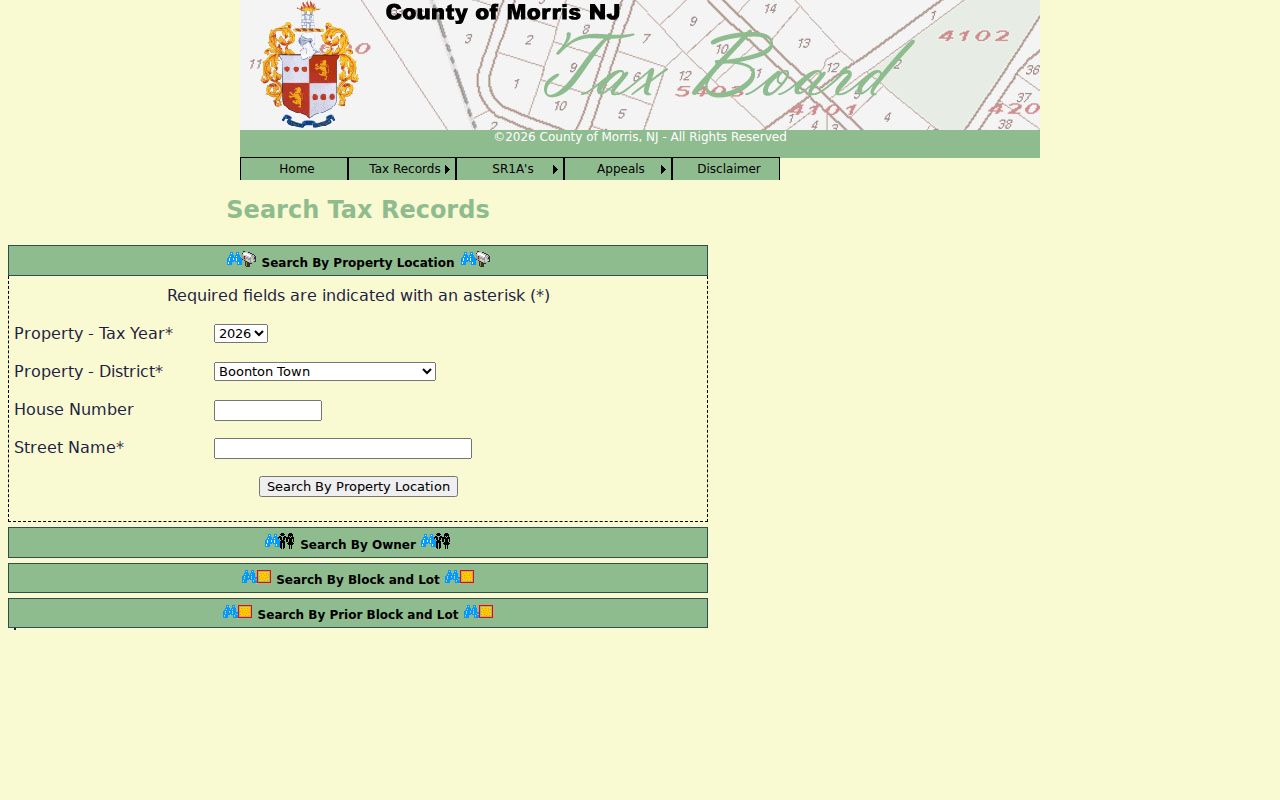
Those routes connect a known street to an assessed parcel. Dated deed or directory sources can then take the trail further.
Mount Olive Deed Index Trail
The Morris County Clerk publicsearch portal is an instrument index. It is not a copy of the tax roll. It searches by party name, date range, document type, instrument number, book and page, map, parcel ID, district, submap, legal-description line, and linked documents. Enter party names Last-Name First-Name with no comma. A result can surface an instrument. It can also surface a recorded date, consideration, parcel or legal-description fields, party labels, and linked documents.
Online property records reach back to 1960, according to the Clerk. Earlier material, certified copies, non-watermarked images, and anything not shown online live in the Records Vault. The Vault is reachable by mail or in person. The Vault holds books, microfilm, and digital images dating to the late 1700s. Fees are $1 per page plus $10 certification for certified copies. Noncertified copies run $2 per page. The Clerk portal page shows the full spread of party, parcel, map, and document search choices. It shows no person-level result.
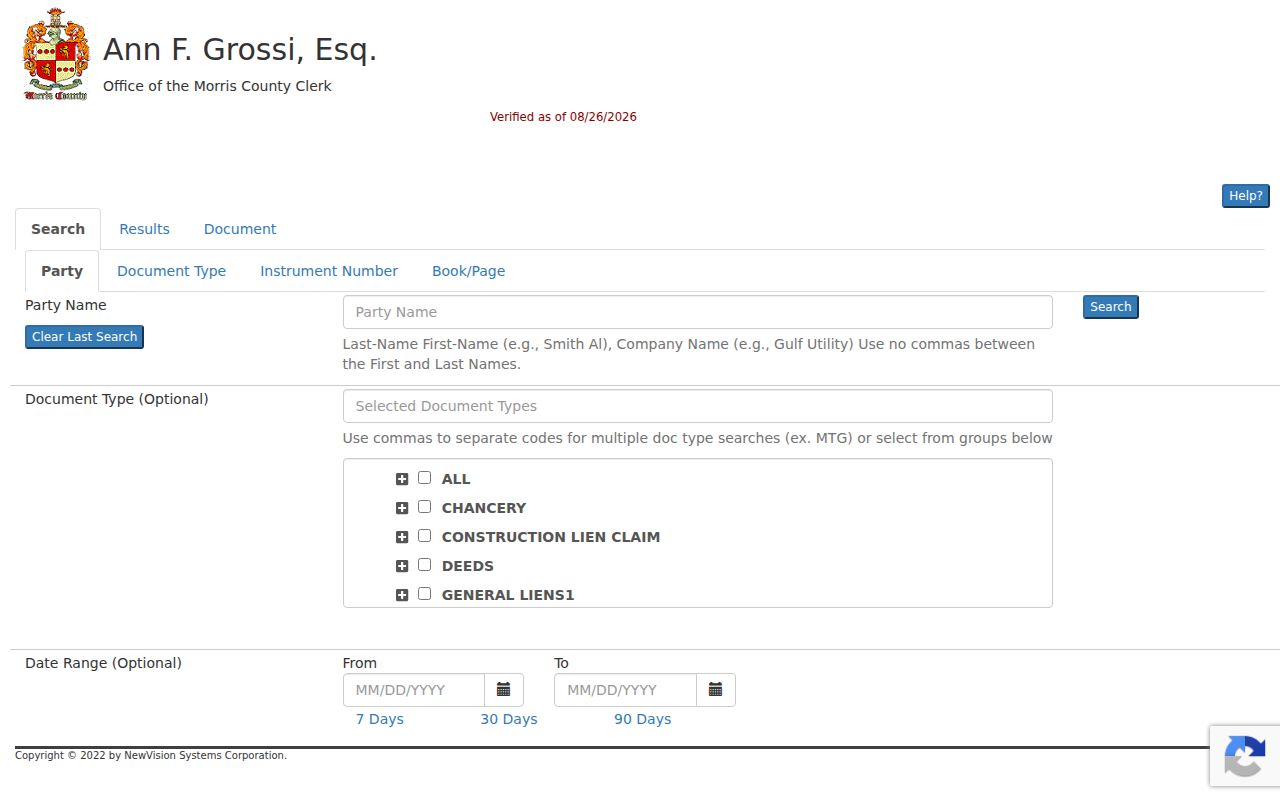
A recorded party ties a name to an instrument on a date. It does not, by itself, prove who occupied the related address.
Mount Olive Current Record Layers
One Mount Olive residents directory is really a stack of record layers. Each layer is time-stamped. County property systems identify tax or title associations. A state registration check verifies a person's own status. A voter-file copy follows separate statutory rules. Court and license systems confirm a proceeding or a credential, never a household. The right question is always what the source actually confirms.
| Record layer | What it can show | Custodian | Access route |
|---|---|---|---|
| Tax and GIS parcel record | Assessed owner, situs, mailing, block and lot | Morris County | Tax Board and GIS |
| Recorded instrument index | Deed, lien, mortgage, map, or party record | County Clerk | Public index and Records Vault |
| Registration status | Individual registration check | NJ elections system | Self-check or county request |
| Municipal record | Defined existing public file or action | Township department | Clerk or OPRA route |
| License or entity record | Professional or business affiliation | New Jersey agency | Official verification portal |
When the question shifts from a parcel to a person, compare identifiers and source dates first. Two results can belong to two different people. The Mount Olive resident lookup route focuses on that verification step.
Mount Olive Voter Boundaries
New Jersey runs a self-service registration check rather than a bulk residents directory. The NJ registration-check page lets a voter confirm status one person at a time. Matching can hinge on small details. Spelling, middle initials, hyphens, spaces, date of birth, city, and county all matter. When the self-check does not supply the lawful record someone needs, the county request route is the fallback.
Two statutes shape what the voter list contains. N.J.S.A. 19:31-18 identifies the fields a voter list carries, and N.J.S.A. 19:31-18.1 sets a copy route, caps the cost, and bars commercial or charitable solicitation. Protected people can also have their street address withheld under a separate statute.
Treat registration status carefully. It is not proof of occupancy. Protected information should never be republished as a Mount Olive residents directory entry.
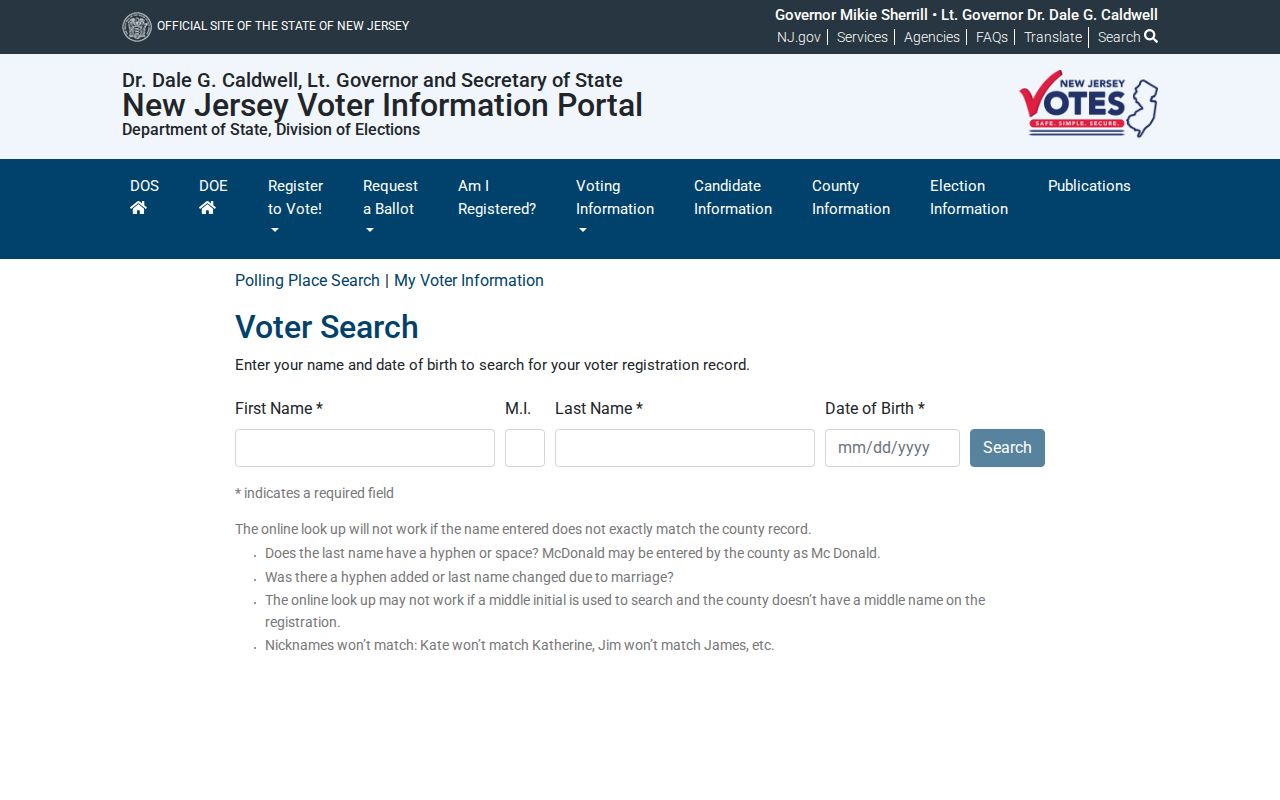
A partial or unavailable web result is not the final word on voter records. The right next step is the official county election contact, not an assumption from a screen that failed to load.
Mount Olive OPRA Requests
The New Jersey Open Public Records Act, N.J.S.A. 47:1A-1 et seq., opens a request path to existing government records. It does not force an agency to build a resident roster from scratch. Mount Olive's form gathers the requestor's contact details, delivery choice, and maximum authorized cost. It also asks for a description of the record and certifications. The agency then fills in its estimate, deposit, disposition, and response. A narrow record type helps. A clear date range gives the custodian something it can actually locate and review.
Copy charges in the township materials are $0.05 per letter-size page. Legal-size pages run $0.07 each. Actual costs, postage, delivery, or special service can add more. The ordinary response period is seven working days. That period is subject to the rules on exemptions, redaction, and extensions. Police, vital, juvenile, medical, victim, and investigative information can be withheld or redacted.
Mount Olive Historical Directories
Older resident trails usually turn up in an archive, a microfilm reel, or a county directory. They can also surface in a newspaper or a map rather than a modern person search. Morris County Library holds telephone directories from 1969 onward plus city directories for various communities. Its reels include Vogt Bros. Complete Morris County Directory, 1897-98, on reel 1. Richmond's Morris County runs for 1902-03, 1904-05, 1906-07, and 1908-09 sit on reels 3 and 4.
These volumes can be selective, especially for rural households. An edition may carry a dated name, community, address, occupation, or household notation. None of it establishes a current resident. The full collection and how to read it sit on the Mount Olive city directories page.
Mount Olive Archive Routes
The State Archives serves as the statewide historical route for genealogical material. Its collections include vital indexes, censuses, deeds, divorces, and other records. Its record windows, formats, and access rules differ by collection. Births, marriages, and deaths have historical coverage with genealogical thresholds. Current vital records stay restricted. The Morris County Library adds newspapers, maps, manuscripts, photos, oral histories, and directory reels. Mount Olive Public Library can supply local catalog and referral help.
- Roll
- A dated list or database category kept for an official purpose, not a universal list of everyone in a place.
- Index
- A searchable pointer to a record. It may omit the document image or restrict it.
- Criss-cross directory
- A reverse directory arranged by address, useful for a historical address lead when the volume provides it.
- Parcel
- A tax or mapping unit tied to block, lot, map, or legal-description fields.
Mount Olive Map Context
The Rutgers map record is a 1950 F.I.R.O. fire-insurance map. It covers Mount Olive Township, Budd Lake, Flanders, and Bartley. It gives a dated view of structures, street patterns, labels, and fire-insurance context. It does not identify a household roster or prove current use. Compare it with deeds, tax maps, permits, and historic surveys. Do not draw a conclusion from the map alone.
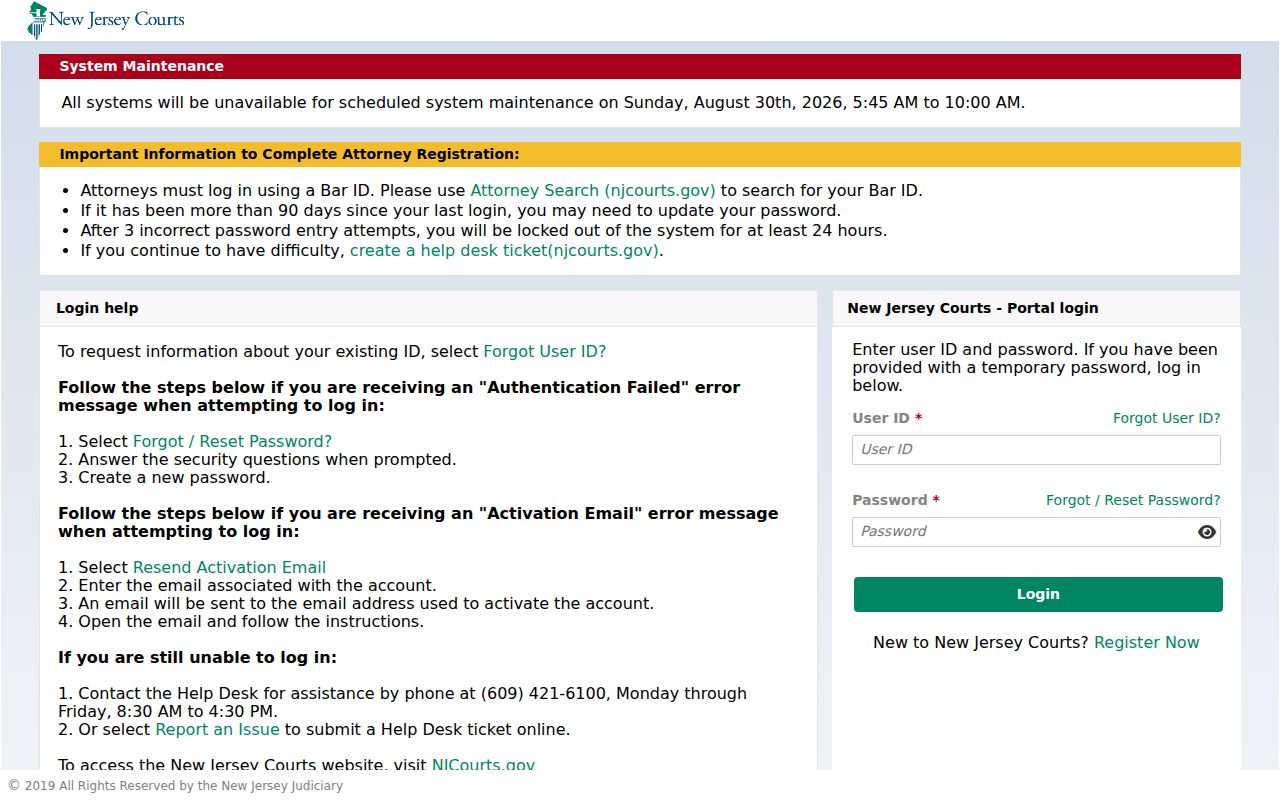
Public portals often show a route and a record boundary at the same time. The separate civil Case Jacket view makes that plain: it reveals the path in without exposing the complete underlying file.
Mount Olive Court Limits
New Jersey's courts open several public search routes. Civil, criminal, judgment, tax, and municipal cases each have their own portal path, yet none of them doubles as a Mount Olive residents directory. A court record places a name at a legal event. It rarely confirms where that person lives now. The Civil Case Jacket search accepts a party name, a docket number, or a judgment reference. Party searches use a last name, a first name, and an optional middle initial, while docket searches require county, docket type, number, and year. Results show name, venue, docket, caption, and filing date. None of that proves an address.
Sensitive categories carry their own walls. Family, juvenile, domestic-violence, sealed, impounded, and expunged matters all receive heightened protection, and public pages can withhold document text and images. Criminal PROMIS/Gavel sits behind a CAPTCHA boundary. Mount Olive Municipal Court handles ordinance, traffic, parking, and other limited local matters, and it publishes no public name roster. NJMCDirect handles payments and case information. A certified disposition or file copy comes from the court or its records custodian.
Test any name match against two independent details. County, date, middle initial, venue, business role, or a property reference all work well. A complaint is not a judgment. An initiation date is not a hearing date. The Morris County correctional facility offers no official public roster either. The state Department of Corrections search covers state custody only, proving neither county custody, a complete identity, nor a current residence.
A blank result means only that one route showed nothing. The file may be sealed, restricted, on paper, outside the chosen jurisdiction, or held by another custodian. Portal, date, search key, access limit: log all four. Never plug the gap with a commercial profile or a claim about a Mount Olive resident.
Mount Olive Postal Myths
A ZIP label never settles municipal jurisdiction. Mount Olive research spans Budd Lake 07828, Flanders 07836, and selected 07840 delivery routes carrying a Hackettstown postal label. USPS validates a delivery address and its ZIP+4. The county Tax Board and GIS maps name the true municipality, district, parcel, and block and lot. Record both answers. Never convert one into the other without saying so.
Older records add their own twists. A historical source may carry a village name, a road variant, or a Roxbury label, so preserve the original spelling first. Then search the modern variants in the county systems, because one empty result is just a search adjustment, not proof the person or place was never there.